

Why Apartment Pet Friendly Living Matters for Urban Renters
Finding an apartment pet friendly option has become essential for the growing number of urban renters with pets. Research shows that no pet housing policies are one of the top reasons pets end up in animal shelters every year, making pet-friendly rentals crucial for both renters and their companions.
Quick Guide to Pet-Friendly Apartments:
- Definition: Properties that allow pets with specific policies and fees
- Common Pets Allowed: Dogs and cats (typically up to 2 pets maximum)
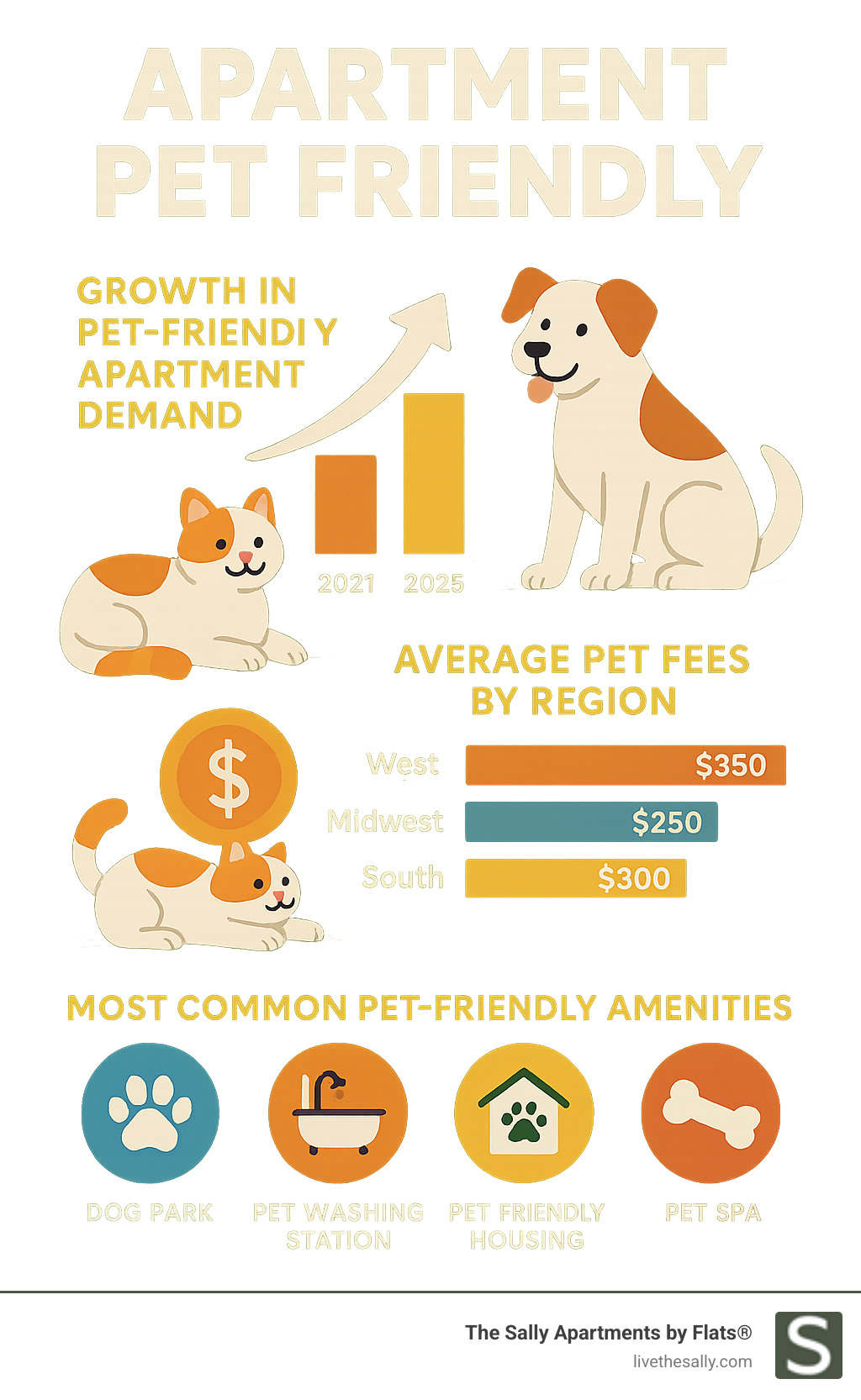
- Typical Fees: Pet deposits, monthly pet rent, and non-refundable fees
- Restrictions: Breed limits, weight caps, and number restrictions
- Key Amenities: Dog runs, pet washing stations, and waste disposal areas
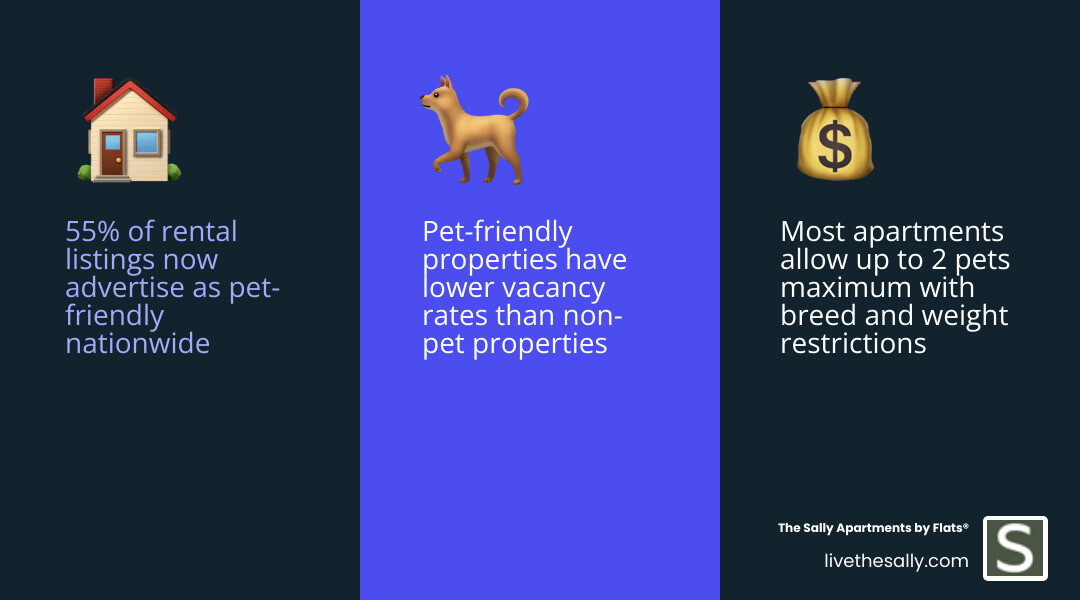
The rental market has responded to this demand. According to industry data, about 55% of rental listings now advertise as pet-friendly, with cities like Toronto offering over 5,000 pet-friendly apartments and Calgary providing nearly 1,500 options.
Pet-friendly apartments benefit everyone involved. Landlords experience lower vacancy rates when they allow pets, while renters gain access to housing that welcomes their entire family. The key is understanding policies, fees, and finding properties that truly accommodate both you and your pet's needs.
Whether you're searching for your first pet-friendly rental or looking to upgrade to a community with better amenities, this guide covers everything from decoding pet policies to maximizing small-space living with your furry companion.
Apartment Pet Friendly Essentials
An apartment pet friendly designation means more than just "pets allowed." It indicates a property that welcomes pets with clear policies, appropriate amenities, and management that understands the needs of pet owners.
Most pet-friendly apartments typically allow:
- Dogs and cats (the most common pets)
- Birds in appropriate cages
- Small caged animals like hamsters or guinea pigs
- Fish in tanks up to 100 gallons
Standard restrictions include:
- Maximum of two pets per unit
- Weight limits (commonly 25-50 pounds per pet)
- Breed restrictions for certain dog breeds
- Age requirements (pets must be house-trained)
The two-pet maximum exists for practical reasons - it helps maintain cleanliness, reduces noise concerns, and ensures adequate space for both pets and residents. Properties may also restrict certain breeds due to insurance requirements, though policies vary significantly between communities.
Assistance animals receive special consideration. Scientific research on human-pet health benefits shows that service animals and emotional support animals provide crucial support to their handlers. These animals are protected under different laws than pets and may be exempt from certain restrictions and fees.
Responsible pet ownership remains the foundation of successful apartment living. This includes maintaining current vaccinations, ensuring pets are spayed or neutered, providing adequate exercise and mental stimulation, and respecting community rules and neighbors.
Creating an Apartment Pet Friendly Resume
A pet resume demonstrates your commitment to responsible ownership and can set you apart from other applicants. We recommend including:
Veterinary Records:
- Current vaccination certificates
- Spay/neuter documentation
- Health clearances from recent vet visits
- Proof of flea and tick prevention
Training and Behavior Documentation:
- Obedience class certificates
- Professional training records
- Behavioral assessments from trainers
- References from previous landlords
Personal References:
- Previous landlords who can vouch for your pet's behavior
- Neighbors from past residences
- Dog walkers or pet sitters
- Veterinarians who know your pet
Meet-and-Greet Preparation: Many properties require a meet-and-greet between your pet and property management. Prepare by ensuring your pet is well-groomed, on their best behavior, and comfortable meeting new people. Bring treats and be ready to demonstrate basic commands.
Budgeting for Apartment Pet Friendly Fees
Pet-friendly apartments typically involve several types of fees that we'll help you understand:
Pet Deposits:
- Usually refundable if no damage occurs
- Range from $200-$500 per pet
- Applied toward cleaning or repairs after move-out
Non-Refundable Pet Fees:
- One-time payment that covers administrative costs
- Typically $250-$500 per pet
- Not returned regardless of apartment condition
Monthly Pet Rent:
- Ongoing fee added to your monthly rent
- Usually $25-$50 per pet per month
- Covers additional wear and maintenance
Liability Insurance: Some properties require renters with pets to carry additional liability insurance. This protects both you and the property in case your pet causes injury or damage to others.
Decoding Pet Policies & Fees
Understanding the nuances of pet policies helps you make informed decisions and avoid unexpected costs. Here's what we've learned about common policy structures:
| Fee Type | Purpose | Typical Range | Refundable |
|---|---|---|---|
| Pet Deposit | Damage coverage | $200-$500 | Yes |
| Pet Fee | Administrative costs | $250-$500 | No |
| Monthly Pet Rent | Ongoing maintenance | $25-$50/month | N/A |
Breed restrictions vary significantly between properties. Some communities maintain extensive lists of prohibited breeds, while others focus on individual pet behavior rather than breed. Common restrictions include pit bulls, German shepherds, Rottweilers, and Doberman pinschers, though these policies are evolving as communities recognize that individual temperament matters more than breed.
Weight limits typically range from 25-50 pounds, though some luxury communities have no weight restrictions. These limits often relate to space constraints and noise concerns rather than arbitrary rules.
Service animal exemptions apply differently than pet policies. Service animals cannot be charged pet fees and are not subject to breed or weight restrictions under the Americans with Disabilities Act.
Negotiating Restrictions with Landlords
Sometimes you can work with property management to find solutions for pets that don't perfectly fit standard policies:
Behavior Letters: A letter from a veterinarian or certified trainer describing your pet's temperament can help overcome breed restrictions. Focus on specific behaviors like "excellent with children" or "completed advanced obedience training."
Training Proof: Certificates from obedience classes, therapy dog training, or Canine Good Citizen certification demonstrate your commitment to having a well-behaved pet.
Flexible Policies: Some properties offer trial periods or conditional approvals. You might agree to additional cleaning fees or more frequent inspections in exchange for acceptance of a restricted breed.
Service & Emotional Support Animals
Assistance animals are not pets under federal law, and they receive different protections and accommodations.
Service Animals:
- Trained to perform specific tasks for individuals with disabilities
- Protected under the Americans with Disabilities Act
- Exempt from pet fees and breed restrictions
- No registration or certification required
Emotional Support Animals:
- Provide comfort through companionship
- Protected under the Fair Housing Act
- Require documentation from a healthcare provider
- May be exempt from pet fees but policies vary
Documentation Requirements: For emotional support animals, you'll need a letter from a licensed healthcare provider stating that the animal provides necessary emotional support related to a disability. This letter should be current and include the provider's license information.
Local Laws: Some cities and states have additional protections or requirements for assistance animals. Research your local laws to understand your rights and responsibilities.
Finding & Evaluating Pet-Friendly Apartments
The search for the perfect apartment pet friendly home requires strategy and patience. We recommend starting with online platforms that offer robust filtering options.
Key Search Criteria:
- Pet-friendly filter (obviously!)
- Neighborhood walkability scores
- Proximity to parks and green spaces
- Public transportation access
- Nearby veterinary services
Walk Score and Transit Score matter significantly for pet owners. Toronto's Walk Score of 71 and Transit Score of 78 make it very walkable for pet owners, allowing for easy daily errands and commuting while maintaining your pet's exercise routine.
Neighborhood Parks: Research off-leash dog parks, walking trails, and green spaces near potential apartments. In Chicago, areas near Lincoln Park or Millennium Park offer excellent opportunities for pet exercise and socialization.
Virtual Tours: Many properties now offer virtual tours that can help you evaluate pet-friendly features before visiting in person. Look for:
- Flooring types (hardwood or tile are easier to clean)
- Outdoor access or balconies
- Storage space for pet supplies
- Natural light for your pet's comfort
For those interested in Chicago specifically, more info about Pet Friendly Chicago Apartments can provide local insights and options.
Using Online Platforms & Social Groups
Major Rental Platforms:
- Zumper offers detailed pet policy information
- RentCafe includes pet amenity filters
- Zillow's pet-friendly filter covers 55% of listings
Social Media Groups: Local Facebook groups and Reddit communities often share insider information about pet-friendly properties. Current residents provide honest reviews about how pet-friendly a community really is beyond marketing materials.
Professional Networks: Connect with local veterinarians, dog walkers, and pet store employees who often know which properties truly welcome pets versus those that merely tolerate them.
Must-Have Amenities for Pets
Modern pet-friendly apartments go beyond basic acceptance to offer amenities that improve your pet's quality of life:
Essential Amenities:
- Designated dog runs or off-leash areas
- Pet washing stations
- Waste disposal stations with bags
- Pet-friendly flooring in common areas
Luxury Amenities:
- Pet spas with professional grooming services
- Rooftop dog parks with city views
- Pet daycare or sitting services
- Agility equipment and training areas
At The Sally Apartments by FLATS, we understand that pet amenities make a real difference in daily life. Our rooftop dog run provides a safe space for exercise and socialization, while our pet spa makes grooming convenient and stress-free. More info about Apartments with Pet Spa explains how these amenities improve urban pet ownership.
Community Features:
- Pet-friendly events and socialization opportunities
- On-site partnerships with veterinarians
- Pet supply delivery services
- Emergency pet care resources
Living Comfortably With Pets in Small Spaces

Urban apartment living with pets requires creativity and organization. We've learned that maximizing vertical space and creating designated pet areas makes small spaces work for everyone.
Space-Saving Strategies:
- Use vertical storage for pet supplies
- Choose multifunctional furniture with hidden storage
- Create designated pet zones to contain toys and beds
- Install wall-mounted feeding stations
Double-Duty Furniture:
- Ottomans with storage for pet supplies
- Benches that serve as pet beds
- Side tables with built-in pet bowls
- Shelving units that incorporate pet perches
Cleaning Routine: Consistent cleaning prevents odors and maintains a healthy environment:
- Daily: Quick vacuum of pet areas, wipe down surfaces
- Weekly: Deep clean pet bedding, mop floors with pet-safe cleaners
- Monthly: Professional carpet cleaning if needed
Air Quality: Air purifiers help manage pet dander and odors. Choose models with HEPA filters specifically designed for pet owners.
Noise Control: Apartment living requires consideration for neighbors:
- Provide adequate exercise to prevent restless behavior
- Use white noise machines during training periods
- Address excessive barking or meowing promptly
- Consider acoustic panels in pet areas
Setting Up a Pet HQ
Creating a dedicated pet headquarters helps organize supplies and gives your pet a sense of security:
Essential Components:
- Comfortable bed or crate in a quiet corner
- Designated feeding area with non-slip mats
- Organized storage for toys, treats, and supplies
- Easy access to water
Calming Elements:
- Pheromone diffusers for anxious pets
- Comfortable blankets with familiar scents
- Soft lighting in pet areas
- Sound dampening materials
Organization Tips:
- Use clear containers for easy identification of supplies
- Label everything for pet sitters or emergencies
- Keep cleaning supplies in a separate, secure area
- Maintain a first aid kit specifically for pets
Exercise & Enrichment Hacks
Urban pets need creative solutions for physical and mental stimulation:
Indoor Exercise:
- Puzzle feeders that make mealtime engaging
- Interactive toys that dispense treats
- Laser pointers for cats (never shine in eyes)
- Indoor agility courses using household items
Outdoor Trips:
- Research nearby off-leash dog parks
- Explore pet-friendly hiking trails
- Visit dog beaches or swimming areas
- Attend outdoor pet events and festivals
Mental Stimulation:
- Rotate toys to maintain interest
- Hide treats around the apartment
- Teach new tricks and commands
- Provide window perches for environmental enrichment
Training and Socialization:
- Enroll in obedience classes
- Arrange playdates with other pets
- Practice leash training in different environments
- Socialize with various people and situations
Chicago offers excellent resources for pet enrichment. More info about Chicago Pet Amenities provides details about local parks, training facilities, and pet-friendly attractions.
Laws, Moving Prep & Short-Term Options

Understanding local laws and preparing for transitions ensures smooth apartment living with pets.
Local Bylaws:
- Leash laws and off-leash area regulations
- Noise ordinances affecting pets
- Waste disposal requirements
- Licensing and registration requirements
Renter Rights:
- Fair Housing Act protections for assistance animals
- Right to reasonable accommodations
- Protection from discriminatory practices
- Procedures for resolving disputes
Property Type Differences:
- Apartments: Usually have standardized pet policies
- Condos: Individual owner policies may vary
- Townhomes: Often more flexible with outdoor space
- Single-family homes: Most flexibility but fewer amenities
Short-Term Housing Options: When you need temporary housing during your search:
- Extended stay hotels with pet policies
- Short-term rental platforms with pet filters
- Pet-friendly bed and breakfasts
- Temporary housing services
Pet-friendly hotel resources can help you find suitable temporary accommodations while searching for your permanent home.
Preparing Your Pet for the Move
Moving can be stressful for pets, but proper preparation helps ensure a smooth transition:
Pre-Move Preparation:
- Schedule a vet check-up and update vaccinations
- Update ID tags and microchip information
- Gradually introduce your pet to moving supplies
- Pack a "first day" box with essentials
Carrier Training:
- Introduce the carrier weeks before moving
- Make it comfortable with familiar bedding
- Practice short trips to build positive associations
- Reward calm behavior in the carrier
Moving Day Strategy:
- Keep pets in a quiet, secure room during packing
- Maintain regular feeding and exercise schedules
- Have a friend or pet sitter help if needed
- Transport pets in your personal vehicle when possible
Post-Move Adjustment:
- Set up familiar items first
- Maintain routines as much as possible
- Gradually introduce new areas of the apartment
- Allow time for adjustment before making changes
Solving Common Issues
Even in pet-friendly apartments, challenges can arise. Here's how we recommend addressing them:
Odor Management:
- Use enzyme-based cleaners for accidents
- Maintain regular grooming schedules
- Ensure proper ventilation
- Address litter box issues promptly
Allergy Considerations:
- Choose hypoallergenic pet breeds when possible
- Use air purifiers with HEPA filters
- Maintain regular cleaning schedules
- Consider allergy-friendly flooring options
Damage Prevention:
- Trim pets' nails regularly
- Provide appropriate scratching posts
- Use furniture protectors
- Address behavioral issues through training
Noise Complaints:
- Identify triggers for excessive noise
- Provide adequate exercise and mental stimulation
- Use positive reinforcement training
- Consider professional behavior consultation
Mediation: If conflicts arise with neighbors or management:
- Document incidents objectively
- Communicate proactively with affected parties
- Seek mediation through property management
- Know your rights and responsibilities
Frequently Asked Questions about Apartment Pet Friendly Living
What pets are typically allowed in rentals?
Most apartment pet friendly properties allow dogs and cats, with some accepting birds, small caged animals, and fish. The key is understanding each property's specific policies. Dogs and cats are the most common, but we've seen properties that welcome rabbits, guinea pigs, and even certain reptiles.
Weight limits typically range from 25-50 pounds for dogs, though some luxury properties have no weight restrictions. Breed restrictions vary significantly - some properties maintain extensive prohibited breed lists, while others evaluate pets individually.
How can I avoid surprise pet fees?
Always request the complete pet policy in writing before signing a lease. Ask specifically about:
- Pet deposits and whether they're refundable
- Monthly pet rent amounts
- Non-refundable fees
- Additional insurance requirements
- Potential future fee increases
Budget for the total cost of pet ownership in your apartment, including deposits, monthly fees, and potential damage charges. Some properties bundle fees into rent, while others charge separately.
Can a landlord deny a documented service animal?
No, landlords cannot deny legitimate service animals under the Americans with Disabilities Act. Service animals are not pets and are exempt from pet fees and breed restrictions.
However, landlords can request documentation for emotional support animals under the Fair Housing Act. This documentation must come from a licensed healthcare provider and establish the connection between your disability and need for the animal.
Be prepared to provide proper documentation and understand that fraudulent claims harm people with legitimate needs for assistance animals.
Conclusion
Finding the right apartment pet friendly home requires research, preparation, and patience, but the reward is a living situation where your entire family - including your furry members - can thrive.
At The Sally Apartments by FLATS, we understand that pets are family members, not just animals. Our rooftop dog run provides a safe space for exercise and socialization, while our pet spa makes grooming convenient and stress-free. We've designed our community to welcome pets and their owners with modern amenities that improve urban living.
The key to successful apartment living with pets lies in understanding policies, choosing the right community, and being a responsible pet owner. Whether you're looking for basic pet acceptance or luxury amenities like pet spas and rooftop dog runs, the right apartment exists for you and your companion.
Pet-friendly apartments benefit everyone - they experience lower vacancy rates, build stronger communities, and provide homes for the growing number of urban pet owners. By choosing a truly pet-friendly community, you're investing in a lifestyle that celebrates the human-animal bond.
Ready to find your perfect pet-friendly home? More info about Apartments for Rent Dog Friendly can help you explore options that welcome both you and your beloved companion.