

Why Chicago High Rises Changed Urban Living Forever
Chicago high rise buildings represent more than just tall structures - they're the foundation of modern city living. Chicago is literally the birthplace of the skyscraper, pioneering the steel-frame construction that made today's towering apartments possible.
Quick Chicago High Rise Facts:
- Over 1,250 high-rise buildings completed citywide
- Willis Tower stands 1,451 feet tall as the city's tallest structure
- 57 buildings exceed 600 feet in height
- Home Insurance Building (1885) was the world's first skyscraper
- 347 buildings over 100 meters define the modern skyline
When the Home Insurance Building stretched to 10 stories in 1885, it launched an architectural revolution that transformed cities worldwide. Today's Chicago high rises blend that innovative spirit with luxury amenities, stunning lake and city views, and convenient urban locations.
Modern high-rise living offers everything from rooftop pools and fitness centers to pet-friendly policies and 24/7 concierge service. Whether you're drawn to the historic charm of converted buildings or the sleek design of new construction, Chicago's vertical neighborhoods provide a unique lifestyle that connects you to the city's energy while offering liftd comfort above the busy streets.
A Storied History: How Chicago Invented the Skyscraper
Chicago's journey to becoming the birthplace of the skyscraper is a tale of tragedy turned triumph. When the Great Chicago Fire of 1871 swept through the city, destroying thousands of buildings, it created an unexpected opportunity for architectural revolution.

As Chicago rebuilt from the ashes, forward-thinking architects and engineers acceptd bold new technologies. This period gave birth to the famous Chicago School of architecture, a movement that prioritized functional design and groundbreaking construction methods. The real game-changer was steel-frame construction - a approach that used steel skeletons instead of thick masonry walls to support buildings.
The crown jewel of this innovation was the Home Insurance Building, completed in 1885. Standing at 10 stories (later expanded), this pioneering structure proved that buildings could reach unprecedented heights safely and efficiently. Combined with the elevator - another crucial technological innovation - the modern Chicago high rise was born.
Chicago's architectural significance extends far beyond city limits. The Early Chicago Skyscrapers – UNESCO World Heritage Centre recognizes these pioneering buildings on its tentative World Heritage list, acknowledging their global impact on urban development.
The city didn't stop there. Wave after wave of construction booms followed - from the late 1800s through the mid-1900s, and again from the 1960s onward. Each era brought fresh architectural styles and engineering breakthroughs, cementing Chicago's reputation as the world's laboratory for tall building design.
Iconic Towers That Define the Skyline
Chicago's skyline reads like a greatest hits album of architectural innovation. These legendary Chicago high rise buildings don't just scrape the sky - they tell the story of a city that dared to build upward.
The Willis Tower (still called the Sears Tower by many locals) stands as Chicago's crown jewel at 1,451 feet tall. Its innovative bundled tube structure, designed by engineer Fazlur Rahman Khan, was so that it influenced supertall building design worldwide. For decades, it held the title of world's tallest building.
875 North Michigan Avenue (formerly the John Hancock Center) brought a completely different approach with its distinctive black exterior and bold X-bracing. Those giant X's aren't just for show - they're the building's structural system, allowing for open floor plans while helping the tower withstand Chicago's notorious winds. This mixed-use design brilliantly combines residential living with office space and retail.
The St. Regis Chicago represents the newest chapter in the city's architectural story. Its curving, stepped design creates a sculptural presence that's unmistakably modern, housing luxury residences and a high-end hotel in one stunning package.
Other skyline stars include the sleek white Aon Center, the wave-like Aqua tower designed by Jeanne Gang, and the beloved twin Marina City towers with their distinctive circular "corncob" design. Each building showcases different architectural styles, from brutalist concrete to glass-and-steel modernism, creating a skyline that's both cohesive and wonderfully diverse.
The Evolution of High-Rise Living
High-rise living in Chicago has transformed dramatically since those early skyscrapers first pierced the sky. What started as a practical solution to urban crowding has evolved into a sophisticated lifestyle choice that defines modern city living.
In the beginning, tall buildings were mainly commercial spaces. When residential units did exist in high-rises, they offered basic apartments with few amenities. But as the city grew and residents' expectations evolved, developers began reimagining what vertical living could be.
The real turning point came with the shift from commercial to residential focus in many new developments. Today's Chicago high rise buildings are designed as complete living experiences, featuring luxury finishes, state-of-the-art technology, and resort-style amenities that would make any hotel jealous.
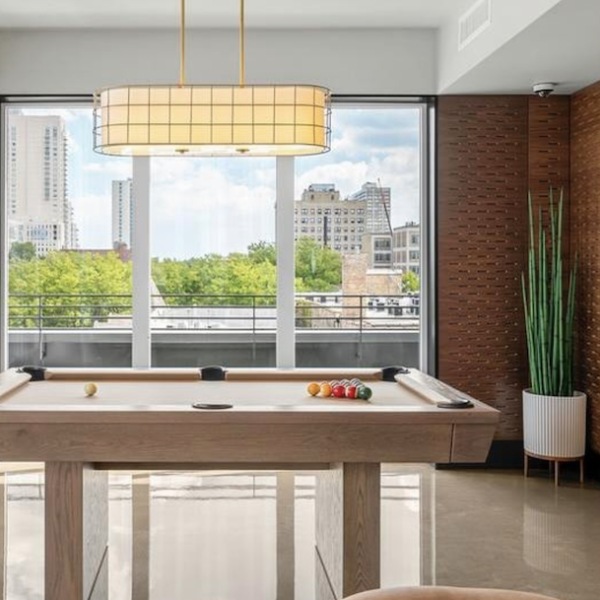
Modern high-rise living emphasizes community spaces in ways earlier buildings never imagined. Rooftop terraces, fitness centers, co-working spaces, and social lounges are now standard features that encourage neighbors to connect and build relationships. This focus on community spaces reflects how urban dwellers want more than just a place to sleep - they want a home that improves their entire lifestyle.
The change has been so dramatic that high-rise living has literally reshaped Chicago's skyline and how people experience the city. You can explore more about this fascinating evolution here: How high-rise living has transformed Chicago's skyline.
From basic apartments to luxury residences with growth of amenities that rival five-star resorts, Chicago's high-rises have become vertical neighborhoods where convenience, comfort, and community come together in perfect harmony.
The Modern Chicago High Rise Lifestyle: Amenities, Pros, and Cons
Living in a modern Chicago high rise means stepping into a world where convenience meets luxury. Picture waking up to stunning views that stretch across Lake Michigan's endless blue waters or the city's twinkling skyline. It's more than just having a place to live - it's about embracing a lifestyle where everything you need is right at your fingertips, and you're part of a vibrant community high above the busy streets.

The beauty of high-rise living lies in how it transforms your daily routine. Instead of commuting to a gym, you take the elevator down to a state-of-the-art fitness center. Rather than searching for parking downtown, you're already in the heart of the action. And when you want to unwind, you head up to the rooftop deck where the city spreads out below you like a living postcard.
What Defines a Modern Chicago High Rise Apartment?
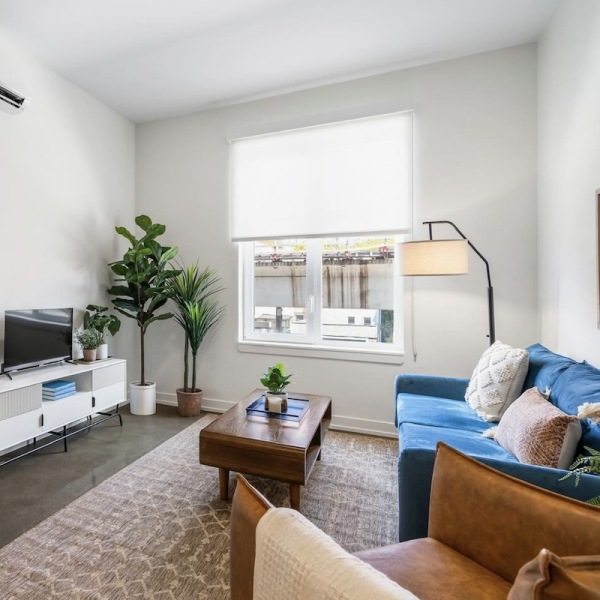
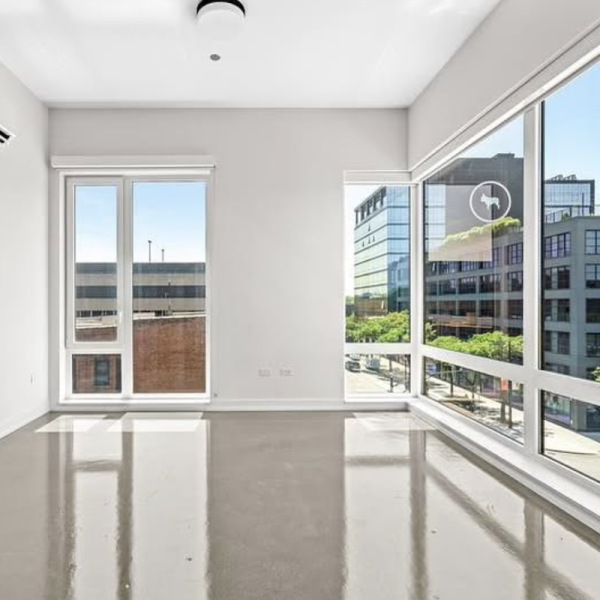
Step into today's Chicago high rise apartments and you'll immediately notice how different they are from older buildings. Floor-to-ceiling windows dominate the space, flooding your home with natural light and framing those incredible views that make Chicago living so special. These aren't just windows - they're your daily connection to the city's energy and Lake Michigan's changing moods.
Open-concept layouts create a sense of spaciousness that's hard to achieve in traditional apartment designs. Your living room flows seamlessly into the dining area and kitchen, making it perfect for entertaining friends or simply enjoying the feeling of space in the heart of the city. Many residents love how this design makes even smaller units feel expansive and airy.
Modern conveniences make daily life remarkably smooth. In-unit laundry means no more trips to communal laundry rooms or laundromats - you can wash your clothes while cooking dinner or working from home. Chicago In Unit Laundry has become a standard feature that residents absolutely love for its convenience.
Smart home technology puts control of your environment right in your pocket. Adjust your thermostat from bed, open up your door remotely for deliveries, or set the perfect lighting for a dinner party - all from your smartphone. It's the kind of technology that feels like magic until it becomes part of your daily routine.
The real magic happens when you explore beyond your individual unit. Rooftop decks and pools transform ordinary evenings into something special - imagine hosting friends for sunset drinks with the entire city as your backdrop. State-of-the-art fitness centers often rival expensive gym memberships, complete with yoga studios, spin bikes, and sometimes even boxing rings or golf simulators.
Co-working spaces have become essential for remote workers who need a change of scenery or a quiet place for video calls. Pet-friendly facilities like dog runs and pet spas make life easier for furry family members. You can learn more about these features at Apartments with Dog Runs Chicago and Chicago Pet Amenities.
24/7 door staff and concierge services provide both security and convenience - someone's always there to accept packages, help with directions, or simply offer a friendly greeting when you come home. For a deeper look at these luxury features, check out Apartments with Luxury Amenities and Apartments with Modern Amenities.
Advantages and Disadvantages of High-Rise Living
Like any lifestyle choice, high-rise living comes with its own unique set of benefits and challenges. Understanding both sides helps you make the best decision for your situation.
The breathtaking views are often what draw people to high-rise living in the first place. There's something magical about watching the sunrise over Lake Michigan or seeing the city lights twinkle to life each evening. Residents on upper floors sometimes joke that they can see all the way to northwest Indiana on clear days - it's that spectacular.
Premium amenities transform your building into an extension of your home. Having a fitness center downstairs offers unparalleled convenience, and your own rooftop deck becomes a private oasis. These features aren't just convenient - they often save time and create opportunities to meet your neighbors.
Prime locations mean you're typically walking distance from Chicago's best restaurants, cultural attractions, and public transportation. Many high-rises sit in the heart of vibrant neighborhoods where you can grab coffee, catch a show, or meet friends without needing a car.
The built-in security provides genuine peace of mind. With controlled access, 24-hour security, and secure package rooms, you can travel without worrying about deliveries or feel comfortable coming home late. It's a level of security that's hard to achieve in other housing types.
A maintenance-free lifestyle means your weekends are truly yours. No lawn mowing, snow shoveling, or exterior repairs - building management handles all of that. You get to focus on enjoying your life rather than maintaining your living space.
However, high-rise living isn't perfect for everyone. Less privacy comes with the territory when you're sharing walls, floors, and ceilings with more neighbors. Common areas can get busy, especially during peak hours, and you'll definitely encounter neighbors more frequently than in suburban settings.
Potential for noise exists in any urban environment. While modern buildings are designed with excellent soundproofing, you might still hear city sounds or occasional wind noise on higher floors. Most residents adapt quickly, but it's worth considering if you're particularly sensitive to sound.
Pet restrictions are common, though many buildings welcome furry friends. Most high-rises limit residents to two pets and may have weight or breed restrictions. It's important to understand these policies before signing a lease. Learn more about pet policies at Apartments for Pet Owners and Pet Friendly Apartments in Chicago.
Moving challenges can be tricky - you'll likely need to reserve elevator time and may face additional fees. It's not impossible, just something that requires more planning than moving into a house.
For those considering purchasing, association fees represent a significant ongoing cost that covers building maintenance, amenities, and sometimes utilities. These fees ensure your building stays in excellent condition but are an important factor to consider in your monthly expenses.
Navigating the Market: Current Trends and Hotspots
The Chicago high rise market continues to evolve, reflecting the city's dynamic growth and changing urban preferences. One of the most exciting trends we're seeing is the surge in apartment-focused development, with developers responding to strong demand for rental high-rises that offer luxury living without the commitment of ownership.

Chicago's impressive skyline keeps growing, with 38 skyscrapers taller than 200 meters now completed as of 2025. While downtown condo development has slowed recently, the rental market remains vibrant and strong. This shift makes sense - today's renters want the luxury amenities and stunning views of high-rise living without the long-term financial commitment of buying.
The city's future is being shaped by ambitious megaprojects that will create entirely new neighborhoods. These developments blend residential towers with commercial spaces, parks, and community areas. Projects like The 78, Bronzeville Lakefront, and The 1901 Project around the United Center are changing vast areas of the city over the coming decades.
Of course, construction timelines can shift based on economic factors like rising costs and interest rates, but Chicago's commitment to vertical growth remains unwavering.
Popular Neighborhoods for High-Rise Living
When you're searching for your perfect Chicago high rise, location truly makes all the difference. Each neighborhood offers its own personality and perks, so let's explore what makes each area special.
The Loop puts you right in the heart of everything - work, theater, world-class museums, and every transit line you could need. High-rises here are perfect for professionals who want to walk to work and have the entire city at their doorstep.
River North buzzes with energy, especially after dark. This neighborhood draws people who love art galleries, upscale dining, and a lively social scene. The high-rises here often feature residents' lounges and rooftop spaces that match the neighborhood's vibrant spirit.
Streeterville offers the best of both worlds - sophisticated urban living with easy lakefront access. You're steps from the Magnificent Mile's shopping and Navy Pier's entertainment, plus you can stroll to the beach whenever you need a break from city life.
South Loop has transformed dramatically in recent years, blending historic charm with sleek new developments. Living here means being close to Grant Park's green spaces, world-renowned museums, and Soldier Field. It's ideal for culture lovers who also want outdoor recreation options.
West Loop represents Chicago's most dramatic neighborhood change. What was once an industrial area is now a foodie paradise and tech hub. The high-rises here often feature modern, loft-inspired designs that reflect the neighborhood's industrial heritage.
Gold Coast maintains its reputation for timeless elegance. High-rises in this prestigious area offer classic luxury and put you near Oak Street Beach and some of the city's most exclusive boutiques.
Lakeshore East feels like a hidden gem - a master-planned community tucked between the Chicago River and Lake Michigan. The high-rises here are surrounded by thoughtfully designed green spaces, creating an urban oasis that still keeps you connected to downtown.
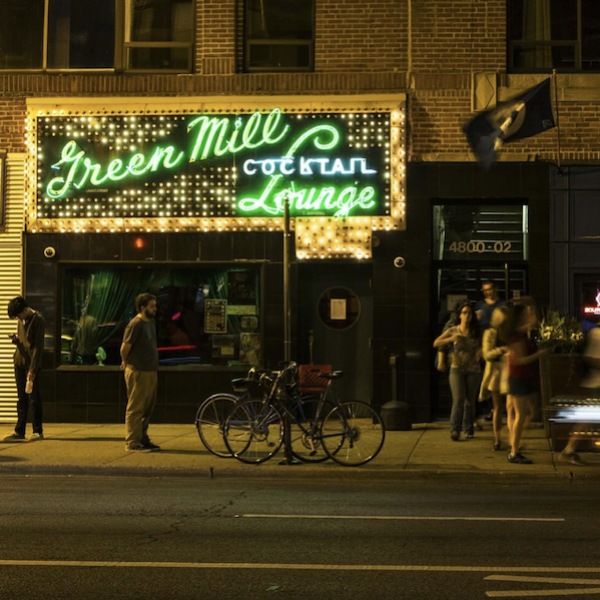
Uptown brings together diversity, history, and artistic energy in a way that feels authentically Chicago. High-rises in this vibrant neighborhood often feature spacious layouts and luxury amenities while maintaining excellent transit connections to the rest of the city.
To explore what's available in these neighborhoods and find your perfect fit, check out our comprehensive Chicago Neighborhood Living Guide. If Uptown catches your interest, you can learn more about Luxury Apartments Uptown Chicago and Uptown Chicago Apartments.
Key Factors Influencing Your Chicago High Rise's Value
Several important elements determine what makes one high-rise apartment more desirable than another, whether you're renting or buying.
Location and neighborhood form the foundation of value. The specific area's walkability, dining scene, transit access, and overall vibe significantly impact how much people want to live there.
Views can make or break a high-rise experience. An unobstructed vista of Lake Michigan, the Chicago River, or the glittering city skyline commands premium value compared to a unit facing another building. The difference between waking up to sunrise over the lake versus staring at a brick wall is immeasurable.
Floor level generally correlates with desirability - higher floors typically mean better views, less street noise, and that special feeling of being above it all. However, some people prefer lower floors for easier access and less elevator wait time.
Building amenities and age play crucial roles in value. Newer buildings packed with modern features like fitness centers, rooftop pools, co-working spaces, and pet facilities tend to command higher rents. That said, well-maintained historic high-rises with unique architectural character and charm hold their own special appeal.
Unit size and layout fundamentals like bedroom count, bathroom number, and smart floor plans drive value. Open-concept designs that maximize space and natural light are particularly sought after in today's market.
Market demand reflects Chicago's overall real estate health. Right now, rental demand remains strong even as the downtown condo market has cooled, making this an interesting time to explore high-rise rental options.
Frequently Asked Questions about Chicago High Rises
Living in a Chicago high rise brings up some great questions, and we're here to help you get all the answers you need. Let's explore the most common things people wonder about when considering vertical living in the Windy City.
What is considered a high-rise in Chicago?
When people talk about high-rise buildings, they're generally referring to structures that are at least 7 to 10 stories tall and need an elevator to get around. But here in Chicago - the city that literally invented the skyscraper - our standards tend to reach a bit higher into the sky.
The Council on Tall Buildings and Urban Habitat (CTBUH), which happens to be based right here in Chicago, sets the international standards for classifying tall buildings. They break it down into categories: "Tall" buildings are over 100 meters (about 328 feet), "Supertall" structures reach over 300 meters (roughly 984 feet), and "Megatall" buildings soar over 600 meters (approximately 1,969 feet).
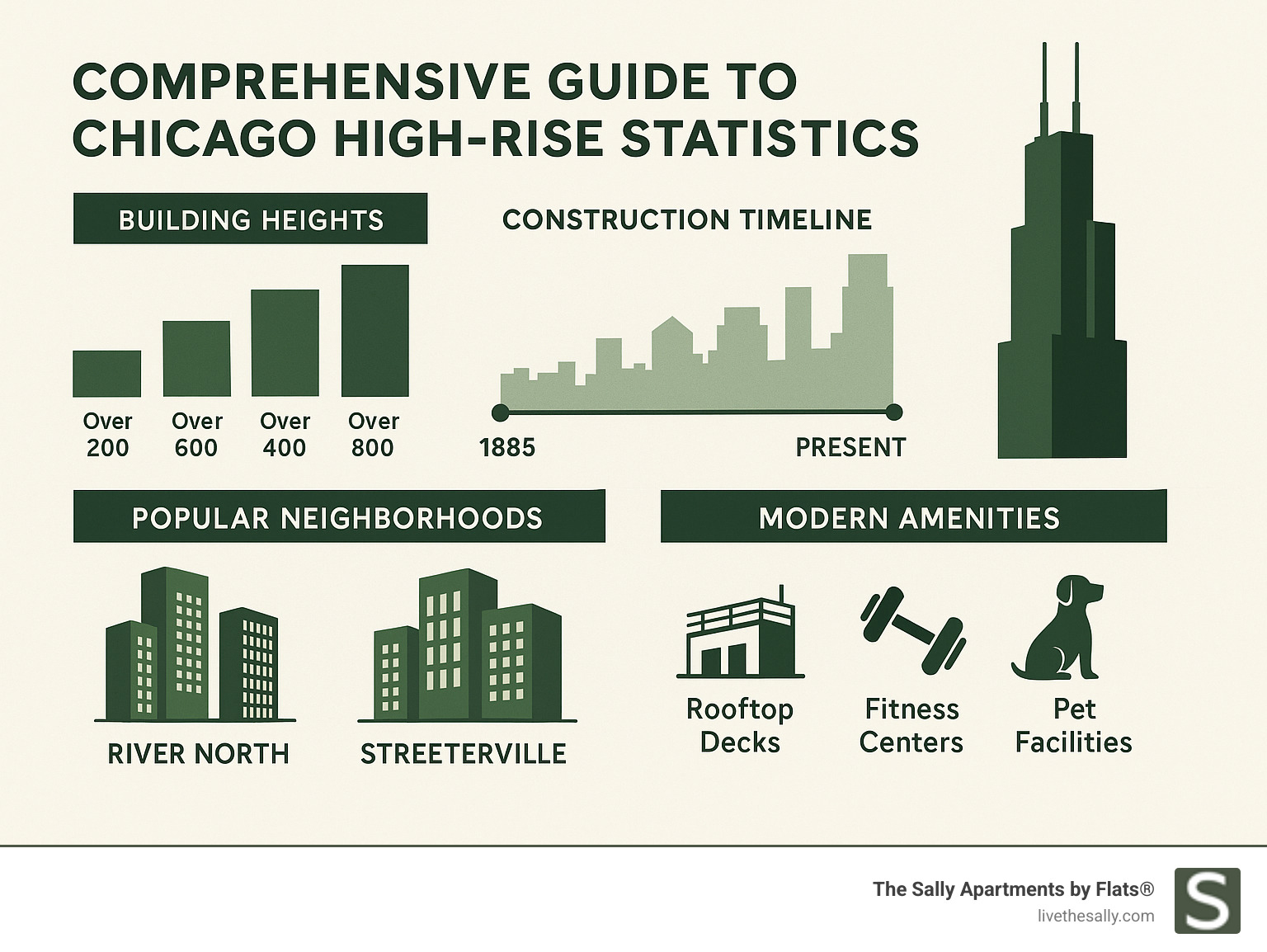
Chicago's skyline is truly impressive when you look at the numbers. We have over 1,250 completed high-rises throughout the city, with 57 buildings standing taller than 600 feet. The city also boasts 347 buildings over 100 meters, 137 over 150 meters, and 38 over 200 meters. So when we're talking about a Chicago high rise, we're often referring to buildings that truly touch the clouds and offer those breathtaking views that make city living so special.
Are high-rise apartments a good choice for pet owners?
Here's some fantastic news for pet lovers: modern Chicago high rise apartments have become incredibly welcoming to our furry family members! The old days of strict "no pets allowed" policies in luxury buildings are mostly behind us. Developers have realized that pets are part of the family, and they've responded by creating amazing amenities specifically designed for four-legged residents.
You'll find that many buildings now feature dedicated dog runs - often beautifully designed spaces on rooftops or at ground level where your pup can play safely and take care of business without you having to venture far from home. Pet spas and wash stations are another popular feature, perfect for cleaning up after those muddy lakefront walks or just giving your pet some extra pampering.
Many pet-friendly common areas welcome both you and your furry friend, creating opportunities to meet other pet parents in your building. It's like having a built-in community of people who understand that sometimes your dog's schedule takes priority over your own!
That said, most high-rise buildings do have some guidelines in place. You'll typically encounter weight limits for dogs, and some buildings may have breed restrictions due to insurance requirements. Nearly all buildings maintain a two-pet limit per apartment, which works well for most pet families.
Before you fall head over heels for a particular unit, always check the building's specific pet policy. Every building is a little different, and you want to make sure your beloved pets will be as welcome as you are.
What are typical HOA or utility fees in a high-rise?
Understanding the full cost of high-rise living means looking beyond just your monthly rent or mortgage payment. For renters, many of these costs are often rolled into your monthly rent, but it's still helpful to understand what is included.
Common fees typically cover a wide range of building services and utilities. Water, trash removal, and sometimes gas for heating and cooking are frequently included in your monthly charges. This can be a real convenience - no more juggling multiple utility bills or worrying about whether you remembered to pay the water company.
Building maintenance is another major component covered by these fees. This includes everything from keeping the exterior looking pristine and maintaining beautiful landscaping to snow removal in those Chicago winters. The upkeep of all those amazing shared amenities - like fitness centers, rooftop pools, and neat lobbies - is also covered.
Staffing costs for door staff, security personnel, and property management are typically included, along with the building's master insurance policy that protects the common areas and building structure.
What you'll usually handle separately includes electricity for your individual unit and internet and cable services for your personal connectivity needs. Some luxury buildings might have separate amenity fees or specific charges for premium services like parking, especially in prime downtown locations.
The key is to always ask for a clear breakdown of what's included in your monthly charges. This way, you'll have a complete picture of your living expenses and can plan accordingly. There's nothing worse than being surprised by unexpected charges after you've already fallen in love with your new home!
Conclusion
Chicago's high rise legacy stretches back over 130 years, from those first steel-frame pioneers rising from the ashes of the Great Fire to today's stunning towers that define our world-famous skyline. These buildings represent far more than just places to live - they're vertical neighborhoods where innovation meets luxury, where breathtaking views blend with modern convenience.
Throughout this guide, we've explored how high-rise living has transformed from basic apartments to sophisticated urban sanctuaries. Today's Chicago high rise apartments offer everything from floor-to-ceiling windows and smart home technology to rooftop pools and pet spas. The amenities that once seemed like distant dreams are now standard features that make everyday life feel extraordinary.
The appeal of vertical living lies in its unique ability to connect you with the city's energy while providing a peaceful retreat above the busy streets. Whether you're drawn to the historic charm of buildings in the Gold Coast, the modern sophistication of River North towers, or the artistic spirit of neighborhoods like Uptown, there's a high-rise community that matches your lifestyle.
Finding the right fit means considering what matters most to you - stunning lake views, proximity to work, pet-friendly amenities, or perhaps that perfect rooftop space for entertaining friends. Each neighborhood offers its own personality, and every building brings its own blend of features and community spirit.
If you're seeking a Chicago high rise experience that welcomes both you and your furry family members, The Sally Apartments by FLATS® in vibrant Uptown offers the perfect combination of luxury living and pet-friendly facilities. Our modern apartments feature in-unit laundry, while our rooftop terrace provides stunning city views. Your pets will love our dedicated dog run and pet spa, making every day feel special for the whole family.
Ready to find your new home in the sky? Find your perfect Chicago apartment today! and join the thousands of Chicagoans who've chosen to live where innovation began and luxury continues to flourish.