

The City That Scraped the Sky
Chicago iconic buildings tell the story of a city that refused to be defeated. After the Great Chicago Fire of 1871 destroyed much of the downtown area, Chicago didn't just rebuild - it reimagined what a city could be.
Most Famous Chicago Iconic Buildings:
- Willis Tower (formerly Sears Tower) - 110 stories, once the world's tallest
- 875 N. Michigan Avenue (John Hancock Center) - distinctive X-bracing design
- Tribune Tower - Gothic Revival with fragments from global landmarks
- Wrigley Building - gleaming white terra cotta masterpiece
- Marina City - the famous "corn cob" towers
- Aqua Tower - undulating design inspired by water
- The Rookery - features Frank Lloyd Wright's redesigned lobby
- Robie House - Frank Lloyd Wright's Prairie School UNESCO site
Chicago earned its reputation as the birthplace of the skyscraper through pure necessity and bold innovation. When William LeBaron Jenney's Home Insurance Building rose in 1885 using the first steel-frame construction, it launched an architectural revolution that would reshape cities worldwide.
The city became a laboratory for architectural experimentation. Legends like Louis Sullivan, Daniel Burnham, Frank Lloyd Wright, and later Ludwig Mies van der Rohe used Chicago as their canvas. Each generation of architects pushed boundaries, creating a skyline that spans from 19th-century commercial buildings to today's supertalls.
What makes Chicago's architecture special isn't just the famous towers. It's the complete picture - from the neat Chicago Bungalows that define entire neighborhoods to the soaring glass and steel monuments that pierce Lake Michigan's horizon.
The First Chicago School: Forging an Identity from Steel and Stone
The ashes of the Great Chicago Fire of 1871 weren't just swept away - they became the foundation for something extraordinary. With much of downtown destroyed, Chicago faced a choice: rebuild the old way, or dare to dream bigger. The city chose innovation.
This urgent need for new buildings sparked the "First Chicago School" of architecture. It wasn't a school you could enroll in, but rather a movement of brilliant minds who saw opportunity in destruction. With a growing population and limited space, these visionaries looked up instead of out.
William LeBaron Jenney changed everything when he completed the Home Insurance Building in 1885. This wasn't just another tall building - it was the world's first steel-frame skyscraper. By using steel instead of thick masonry walls to support the building's weight, Jenney freed architects from the constraints that had limited building height for centuries. Suddenly, walls could be thinner and windows could be larger. The modern skyscraper was born.
Louis Sullivan took these engineering breakthroughs and made them beautiful. His philosophy of "form follows function" meant buildings should look like what they were meant to do - no fake columns or unnecessary frills. The Auditorium Building, completed in 1889 with partner Dankmar Adler, proved this approach could create stunning results. This massive structure housed a hotel, offices, and a spectacular theater all under one roof.
Sullivan's Carson, Pirie, Scott and Company Building showed how functional design could still be artistic. Completed in 1899, its famous ornate cast-iron entrance became a masterpiece of decorative metalwork - proving that "form follows function" didn't mean buildings had to be boring.
Daniel Burnham and his partner John Wellborn Root pushed boundaries even further. Their Rookery Building, finished in 1888, became one of Chicago's most iconic buildings with its innovative central light court. Frank Lloyd Wright later redesigned this stunning atrium in 1905, creating the luminous space visitors admire today.
The massive Monadnock Building represented both an ending and a beginning. Completed between 1891 and 1893, it pushed load-bearing masonry construction to its absolute limits - its walls at the base are six feet thick! Yet its clean, minimalist design pointed toward the future of modern architecture.

These pioneering architects didn't just create buildings - they created a legacy. Every Chicago iconic building that followed, from the Willis Tower to today's supertalls, owes something to these early innovators who proved that when necessity meets imagination, the sky truly is the limit.
Learn about the Chicago Architects Project
A Timeline Tour of Chicago Iconic Buildings
Chicago iconic buildings tell the story of a city that never stopped dreaming bigger. From the ashes of the Great Fire rose structures that would define not just our skyline, but the very idea of what a modern city could be. Let's take a walk through time, exploring the architectural treasures that make Chicago a living museum of design innovation.
Art Deco and Gothic Revival Giants
The 1920s brought a new confidence to Chicago's streets. After proving we could build tall, architects decided it was time to build beautifully tall. This era gave us some of our most beloved landmarks - buildings that weren't just offices or theaters, but monuments to human ambition.
The Wrigley Building stands like a gleaming guide along the Chicago River. Completed in 1924, its brilliant white terra cotta facade was inspired by Spain's Giralda Tower, but it became purely Chicago in spirit. William Wrigley Jr. wanted his chewing gum headquarters to make a statement, and boy, did it ever. Today, this historic beauty has gone green in the sweetest way - 60,000 bees buzz around rooftop hives, producing liquid gold while keeping the building's sustainability story as fresh as honey.
Just across the river, the Tribune Tower reaches toward the sky with Gothic Revival grandeur. What makes this 1922 masterpiece truly special isn't just its soaring spires - it's the fragments from famous buildings worldwide embedded in its facade. You'll find pieces of Westminster Abbey, the Great Pyramid, and even the Winter Palace of Beijing telling a global story in stone.
The Merchandise Mart proved that bigger could indeed be better. When it opened in 1931, this Art Deco giant was the world's largest building by floor area. Spanning two city blocks with four million square feet, it was so massive it earned its own ZIP code! Walking through its halls today, you can still feel the ambition of an era that believed anything was possible.
Other gems from this period include the Chicago Board of Trade Building, crowned with a statue of Ceres, the goddess of grain, and the Palmolive Building with its lighthouse guide that once guided planes over Lake Michigan. The Chicago Theatre, with its iconic marquee, continues to light up State Street as it has since 1921, truly earning its nickname as the "palace for the people."

The Second Chicago School and Mid-Century Modernism
By mid-century, Chicago was ready for another architectural revolution. This time, the philosophy was radically different. Out went the ornate details and grand gestures. In came clean lines, honest materials, and the idea that beauty lay in simplicity.
Ludwig Mies van der Rohe became the prophet of this new movement. His famous motto "Less is more" transformed not just Chicago, but cities around the world. The 860-880 Lake Shore Drive apartments, completed in 1952, showed how steel and glass could create homes that felt both neat and livable. These twin towers proved that the International Style wasn't just for office buildings.
Mies's masterpiece, S. R. Crown Hall at the Illinois Institute of Technology, takes minimalism to an art form. This transparent temple to architecture education embodies everything he believed about honest design and open space.
But not everyone wanted to live in Mies's glass boxes. Bertrand Goldberg had a different vision entirely. His Marina City, completed in 1964, gave us those beloved "corn cob" towers along the Chicago River. These cylindrical concrete giants weren't just apartments - they were a complete urban ecosystem with offices, parking, a marina, and entertainment venues. Goldberg proved that modern living could be both innovative and fun.
These buildings and others from this era show how Chicago continued to lead architectural thinking. For more insights into these remarkable structures, you can find information on several major Chicago buildings.
The Supertalls: Defining Modern Chicago Iconic Buildings
The late 20th century brought Chicago's most ambitious chapter yet - the race to the sky. These weren't just tall buildings; they were engineering marvels that pushed the very limits of what was possible.
The Willis Tower (forever the Sears Tower in many hearts) became our crown jewel when it opened in 1974. Designed by Bruce Graham and engineer Fazlur Rahman Khan at Skidmore, Owings & Merrill, this 110-story giant held the title of world's tallest building for 25 years. Its innovative "bundled tube" design - imagine nine square tubes clustered together - revolutionized skyscraper construction worldwide.
Standing on the Skydeck's glass ledges 103 floors up, you'll understand why 1.7 million people visit each year. The recent $500 million renovation ensures this architectural icon will keep amazing visitors for generations to come.
875 N. Michigan Avenue (the John Hancock Center) took a different approach to reaching the clouds. Those distinctive X-braces aren't just for show - they're the building's backbone, making this 1969 tower a perfect example of structural expressionism. At nearly 1,500 feet to its antenna tips, it remains one of our most recognizable landmarks.
The Aon Center rounds out our supertall trio. This 1,185-foot tower has quite a story - its original marble facade had to be replaced with granite for safety reasons. Plans for a new observatory and thrill ride promise to give visitors new ways to experience the city from above.

Contemporary and Postmodern Statements
Chicago's architectural story didn't end with the 20th century. Today's designers continue to push boundaries, creating buildings that blur the line between art and architecture.
Studio Gang Architects, led by Jeanne Gang, has given us some of our most striking recent additions. The Aqua Tower looks like it's dancing in the wind, with undulating balconies inspired by water and wind patterns. This 80-story tower proves that supertalls can be both functional and poetic.
Gang's latest gift to our skyline is The St. Regis Chicago. Completed in 2021, this curving glass tower holds the distinction of being the world's tallest building designed by a woman. Its multi-colored facade changes with the light, adding new energy to our downtown core.
Millennium Park transformed how we think about public space in the 21st century. Frank Gehry's flowing Pritzker Pavilion, Anish Kapoor's reflective Cloud Gate (lovingly known as "The Bean"), and the other artistic installations prove that great architecture isn't just about buildings - it's about creating spaces where people can connect and celebrate.
The James R. Thompson Center, with its bold postmodern design by Helmut Jahn, remains one of our most controversial buildings. Love it or hate it, you can't ignore its dramatic glass atrium and rainbow colors. The Museum of Contemporary Art adds its own modern voice to the conversation, housing cutting-edge art in a building that's itself a work of art.
These contemporary Chicago iconic buildings show that our city's architectural adventure is far from over. Each new addition builds on the legacy of those who came before, ensuring that Chicago remains a place where the future is always being built.
Beyond the Loop: Residential Styles and Neighborhood Treasures
The towering Chicago iconic buildings of downtown tell only part of our city's architectural story. Step beyond the Loop's gleaming towers, and you'll find neighborhoods filled with character-defining homes that have sheltered generations of families.
Chicago's residential architecture reflects the dreams and daily lives of everyday people. The famous Chicago Bungalow became the backbone of many neighborhoods between 1910 and 1940. These sturdy brick homes, with their welcoming front porches and low-pitched roofs, were built for working families who wanted something solid and beautiful to call their own.
Walk through neighborhoods like Albany Park or Portage Park, and you'll see block after block of these charming homes. Each one tells a story of families who planted roots, raised children, and built communities.
Two-flats became another signature Chicago solution for urban living. These practical buildings, along with three- and six-flats, make up an impressive 30% of Chicago's housing stock. They allowed families to live close together while maintaining independence, often housing multiple generations or different households within a single structure.
These residential treasures deserve protection just as much as our famous skyscrapers. When neighborhoods preserve their character, they maintain the unique identity that makes Chicago special. Every Chicago Bungalow and vintage two-flat connects us to the city's growth story - from immigrant families seeking better lives to today's residents who choose historic charm over cookie-cutter developments.
Frank Lloyd Wright and the Prairie School
Frank Lloyd Wright revolutionized how Americans thought about home. Working from his Oak Park studio just outside Chicago, Wright developed Prairie School architecture that celebrated the flat, open landscapes of the Midwest.
Prairie School homes stretch horizontally rather than reaching skyward. These houses seem to grow from the earth itself - with low-pitched roofs, broad overhanging eaves, and strong horizontal lines that echo the prairie horizon. Wright believed homes should work with nature, not fight against it.
Natural materials like wood and stone connect these homes to their surroundings. Open floor plans blur the boundaries between rooms, while large windows bring the outdoors inside. This was radical thinking in an era when most homes were boxy and compartmentalized.
The Robie House in Hyde Park stands as Wright's residential masterpiece. Completed in 1909, this home pushed Prairie School principles to their limits. Its dramatic horizontal lines and cantilevered roofs seemed to defy gravity. The house became so influential that UNESCO declared it a World Heritage Site.
Wright's own Home and Studio in Oak Park became his laboratory for innovation. Built in 1889, this is where he experimented with the ideas that would reshape American architecture. You can plan your visit to the Robie House to experience Wright's genius firsthand.

Beloved Neighborhood Icons
Chicago's neighborhoods each have their own architectural stars - buildings that define entire communities and give residents something special to call their own.
Wrigley Field transforms Lakeview into a pilgrimage destination for baseball lovers worldwide. Built in 1914 by Zachary Taylor Davis, this classic ballpark feels like stepping back in time. The ivy-covered walls and hand-operated scoreboard remind us that some things shouldn't change, even in a city that constantly reinvents itself.
On the South Side, the South Shore Cultural Center brings Mediterranean elegance to the lakefront. Originally built as an exclusive country club in 1905, this stunning building found new life when the Chicago Park District opened it to everyone in 1975. Movie buffs might recognize it from "The Blues Brothers" - proof that great architecture makes great backdrops.
The Pullman National Monument tells a fascinating story of industrial ambition and worker organizing. George Pullman built this entire community in 1880 for his railroad car workers, creating America's first planned industrial town. The Romanesque architecture still stands as Chicago's only National Monument.
Nature lovers treasure the Garfield Park Conservatory on the West Side. This 4.5-acre glass paradise, designed in 1905, brings tropical plants to Chicago's harsh winters. Its unique design, inspired by Midwest haystacks, proves that functional buildings can also be beautiful.
The Union Stockyards Gate stands as a lone sentinel to Chicago's past as "hog butcher for the world." While the massive stockyards that once employed thousands are long gone, this iconic stone gateway reminds us how industry shaped our city's character.
These neighborhood treasures prove that Chicago iconic buildings aren't just downtown skyscrapers - they're the places where real life happens, where communities gather, and where Chicago's story continues to unfold.
The Sustainable Skyline: A Modern Twist on Architecture
Chicago's architectural story keeps evolving, and today's Chicago iconic buildings are writing exciting new chapters focused on sustainability and community connection. These towering landmarks are finding that being truly iconic in 2025 means more than just impressive height or stunning design - it's about creating positive environmental impact and bringing people together in meaningful ways.
The city's most famous structures are embracing their role as environmental stewards, proving that even the most established buildings can adapt and innovate. This shift reflects a deeper understanding that great architecture should serve not just the people inside, but the entire urban ecosystem around it.
Urban Beekeeping on Trophy Buildings
One of the most delightful surprises happening high above Chicago's streets is the buzz of urban beekeeping. Yes, you read that right - some of our most prestigious Chicago iconic buildings are now home to thriving rooftop bee colonies!
These aren't just trendy additions to impress visitors. Each hive supports over 60,000 pollinators that work tirelessly to keep our city's green spaces healthy and vibrant. In a concrete jungle like Chicago, every bee matters for the local ecosystem.
The Wrigley Building, that gleaming white terra cotta masterpiece we explored earlier, now produces its own "liquid gold" honey from busy rooftop hives. Talk about sweet sustainability! The historic Drake Hotel has also joined this movement, adding biodiversity to their already impressive guest list - though these buzzing residents definitely don't need room service.
333 West Wacker proves that trophy buildings can be both beautiful and beneficial with its thriving rooftop colony. Chase Tower, that dramatic 60-story structure, hosts bees that work high above Marc Chagall's famous mural below. 300 North LaSalle, already a LEED Platinum building, demonstrates its environmental commitment through its busy rooftop apiary.
The engineering marvel that is 150 North Riverside might seem like an impossible place for bees - balanced on a tiny footprint between the Chicago River and active rail lines. Yet somehow, this sky-high hive is thriving 50 floors above the water, proving that with creativity, even the most challenging urban spaces can support nature.

Public Art and Urban Design
Chicago's architectural giants also serve as canvases and stages for incredible public art that brings our urban spaces to life. These aren't just decorative afterthoughts - they're carefully integrated elements that help tell Chicago's story and create gathering places for our community.
Marc Chagall's "Four Seasons" mural brings vibrant color and whimsy to the plaza of Chase Tower, changing what could be just another financial district corner into something magical. The Picasso sculpture in Daley Plaza caused quite a stir when it first appeared, but now it's become a beloved symbol of Chicago's commitment to bold public art.
Perhaps the most spectacular example is Art on theMART - the world's largest digital art projection. Every evening, 2.5 acres of The Merchandise Mart's river-facing facade transforms into a dynamic canvas for contemporary digital art. It's like having the world's biggest outdoor movie screen, except it's showing cutting-edge art that changes regularly.
These artistic integrations do something wonderful - they make our city's architectural grandeur feel approachable and alive. They invite people to pause, interact, and connect with both the art and each other. Whether you're grabbing lunch near the Chagall mural or watching the digital projections from the Riverwalk, these spaces prove that great architecture and great art work best when they work together.
This blend of sustainability initiatives and public art shows how Chicago iconic buildings continue to evolve, staying relevant and meaningful for new generations while honoring their historic legacy.
Conclusion: Find Your Home Among the Icons
From the ashes of the Great Chicago Fire to today's gleaming supertalls, our journey through Chicago iconic buildings tells the story of a city that never stops dreaming bigger. These aren't just structures of steel and stone – they're the heartbeat of a metropolis that turned tragedy into triumph, necessity into innovation.
Walking through Chicago today feels like stepping through a living architecture museum. The Home Insurance Building may be long gone, but its steel-frame legacy lives on in every skyscraper that reaches toward Lake Michigan's horizon. Louis Sullivan's ornate facades still whisper "form follows function" to anyone who'll listen. Frank Lloyd Wright's Prairie School homes continue to blur the lines between indoor and outdoor living in ways that feel surprisingly modern.
The Willis Tower still makes us crane our necks in wonder, while Marina City's corn cob towers remind us that bold ideas never go out of style. Even our neighborhood Chicago Bungalows and sturdy two-flats tell stories of families, communities, and the enduring dream of finding home in this remarkable city.
What makes Chicago special isn't just the famous towers that define our skyline. It's how every building – from The Rookery's light-filled court to the Aqua Tower's undulating facade – reflects our city's spirit of resilience and creativity. It's the way rooftop beehives on the Wrigley Building prove that even our most historic structures can accept the future. It's how public art transforms everyday spaces into something magical.
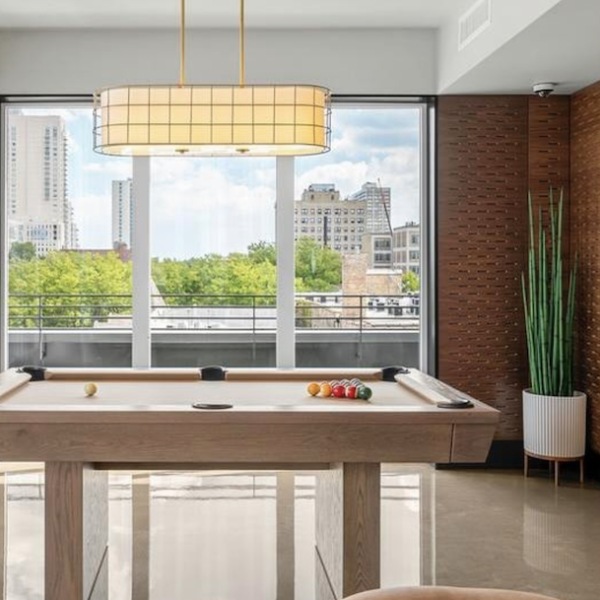
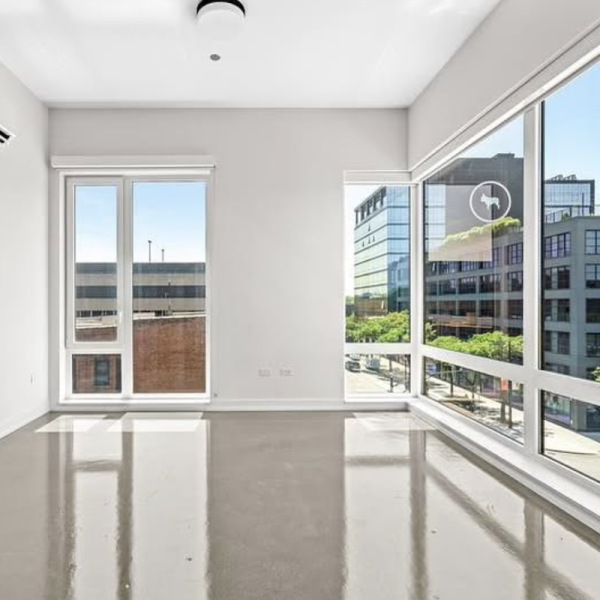
If you're ready to become part of this ongoing architectural story, The Sally Apartments by FLATS® offers modern living in Uptown Chicago. Our luxury rentals feature contemporary amenities like in-unit laundry and a rooftop terrace, plus thoughtful touches for your furry family members – we welcome up to two pets per apartment and provide a dog run and pet spa.
Living among Chicago's architectural icons means waking up every day in a city that refuses to stand still, where innovation is built into the very foundations. Explore our Uptown apartments and become part of Chicago's story.