

Chicago's Best Luxury High Rise Apartments: What You Need to Know First
High rise apartments are multi-story residential buildings typically standing at least 75 feet tall — or about seven or more stories — according to the National Fire Protection Association. In Chicago, they represent the pinnacle of urban living, combining sweeping skyline views, premium amenities, and unbeatable city access.
If you're looking for the best luxury high-rise options in Chicago, here's a quick snapshot:
| Feature | What to Expect |
|---|---|
| Building height | 7+ stories (75 ft minimum) or 12-39 floors |
| Location | Urban core neighborhoods like Uptown Chicago |
| Amenities | Rooftop decks, fitness centers, concierge, in-unit laundry |
| Pet policy | Typically pet-friendly with designated pet areas |
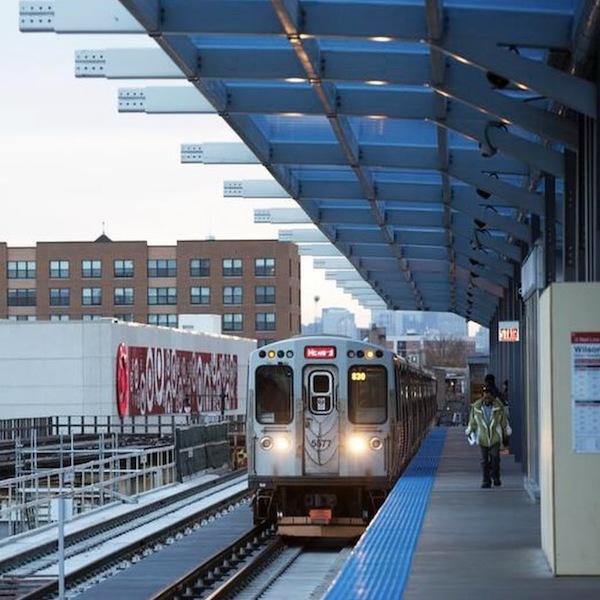
| Transit access | Walkable to L train stations and major transit hubs |
| Views | City skyline and, in many cases, Lake Michigan |
Chicago's skyline didn't happen by accident. High-rise living in dense urban centers exists because it solves a real problem: more people want to live close to great neighborhoods than the land can support at ground level. Going vertical is the answer.
For urban professionals, that means access to everything — your gym, your rooftop, your commute, your neighborhood — all in one place. No car required. No compromise on comfort.
The sections below walk you through everything you need to choose the right luxury high-rise in Chicago, from what defines these buildings to which floor suits your lifestyle best.
Defining the Modern High Rise Apartments Experience
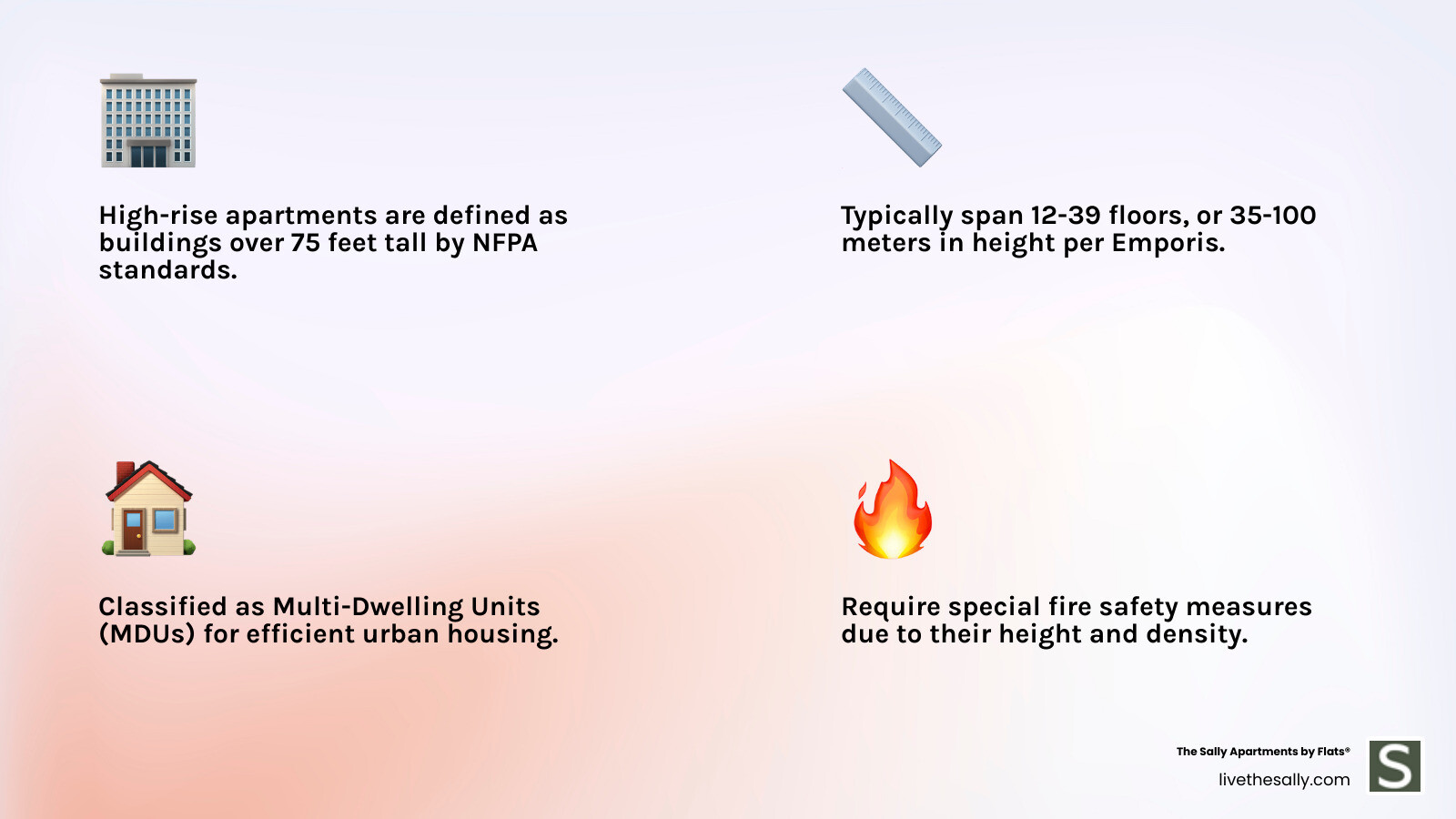
When we talk about high rise apartments, we aren't just talking about "tall buildings." There are actually specific industry standards that classify these structures. While most of us just look up and see a skyscraper, organizations like the National Fire Protection Association (NFPA) define a high-rise as any building taller than 75 feet (approximately seven stories).
Other organizations, such as Emporis, categorize high rise apartments as multi-story structures between 35 and 100 meters tall, typically spanning 12 to 39 floors. Once a building surpasses 40 stories or 150 meters, it officially enters "skyscraper" territory. In real estate, these are often referred to as Multi-Dwelling Units (MDUs), designed to house a large number of residents efficiently within a small geographic footprint.
Modern high-rise living is about more than height; it’s about a comprehensive lifestyle. These buildings are often "Class A" structures, meaning they represent the highest quality buildings in their market. They usually feature a grand lobby with a concierge, controlled access for security, and centralized utility systems. To learn more about the specifics, check out this guide on What is a High-Rise Apartment: Everything You Need to Know.

Structural Integrity and Engineering
Living dozens of stories in the air requires some serious math and world-class engineering. To ensure these buildings are safe and durable, they are primarily constructed using reinforced concrete and steel frames. Steel is prized for its strength and flexibility, while reinforced concrete provides excellent fire resistance and structural mass.
One of the most interesting facts about high rise apartments is that they are designed to sway. In high-wind cities like Chicago, a rigid building would actually be more prone to damage. Instead, engineers design these towers to flex slightly—a safety mechanism that is often imperceptible to residents but crucial for structural integrity. Geotechnical engineering also plays a massive role, ensuring the building's foundation is anchored deep into the earth to handle the immense weight of the tower above.
| Feature | High-Rise Construction | Mid-Rise Construction |
|---|---|---|
| Primary Material | Steel frames & reinforced concrete | Wood frame or light-gauge steel |
| Foundation | Deep piers or caissons | Shallow footings or mats |
| Wind Resistance | Designed to sway (tuned mass dampers) | Rigid structure |
| Fire Rating | Highest (Type I or II) | Moderate (Type III or V) |
The Evolution of Vertical Living and Global Market Trends
The dream of living high above the street isn't a modern invention. We can trace the roots of high rise apartments back to Ancient Rome, where "insulae" (apartment blocks) reached up to ten stories high. In the medieval era, cities like Bologna, Italy, featured nearly 100 towers, while the "Manhattan of the Desert" in Shibam, Yemen, consists of mud-brick high-rises that have stood for centuries.
However, the modern high-rise as we know it only became possible with two major breakthroughs: the invention of the safety elevator and the mass production of steel. Visionary architects like Le Corbusier championed the "Towers in the Park" concept—modernist high-rises surrounded by green space. While some of these early experiments faced social challenges, they paved the way for the luxury vertical communities we enjoy today. For a deep dive into this history, see Tower block history and regional developments.
Regional Market Insights
The demand for high-rise living continues to grow globally. In cities like Hong Kong, over 60% of residents live in apartments, and in Seoul, roughly 80% of the population resides in large apartment complexes. Closer to home, the North American market remains robust. In Ontario, cities like Hamilton and London show steady interest in vertical living, reflecting a broader trend toward high-density urban development.
In Chicago, the luxury market is particularly vibrant. We see a high demand for rentals that offer a "vertical city" experience, where work, play, and home life intersect seamlessly. This trend is especially prevalent in neighborhoods like Uptown, where historic charm meets modern luxury. If you want to dive deeper into the local scene, read More info about high-rise living in Chicago.
Key Advantages of Choosing Vertical Luxury
Why do so many people choose to live in high rise apartments? Aside from the obvious "cool factor," there are several practical advantages. First and foremost is the prime location. Because high-rises maximize land use, they are almost always located in the heart of the action—near transit, dining, and entertainment.
Security is another major draw. Most luxury high-rises feature 24/7 doormen, video surveillance, and electronic key fobs for every floor. Additionally, having on-site property management and concierge services means that maintenance requests are handled quickly, and your packages are always safe. To compare these benefits with other building types, check out Mid-Rise vs. High-Rise Buildings: Which Apartment Is Right for You?.
Unmatched Views and High Rise Apartments Amenities
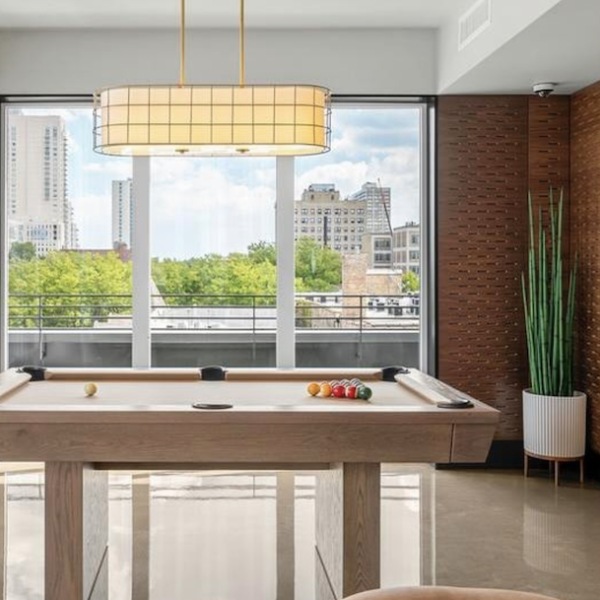
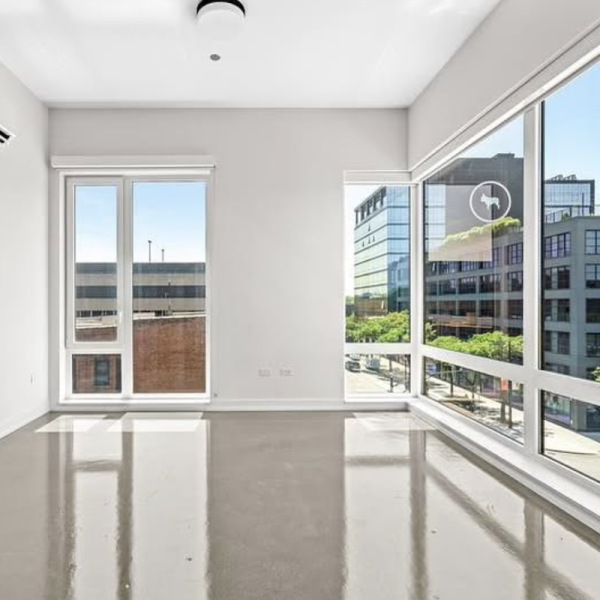
Let’s be honest: the views are the star of the show. Whether it’s watching the sunset over the Chicago skyline or seeing the morning light hit Lake Michigan, the perspective from a high-rise is unmatched.
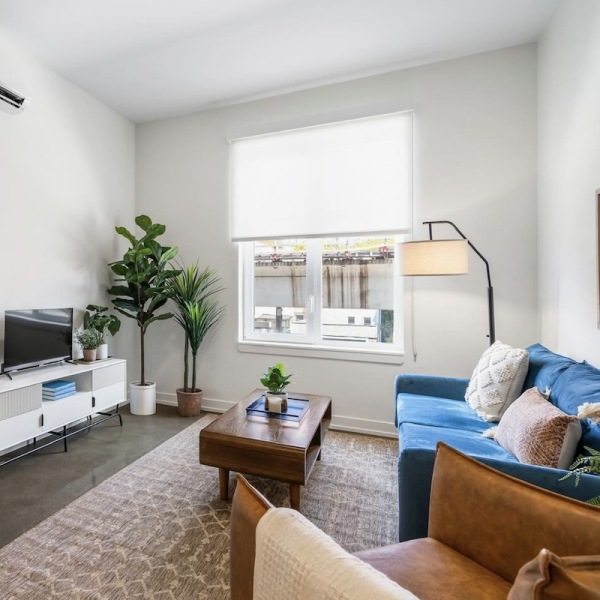
But the luxury doesn't stop at the windows. Modern high rise apartments are packed with "Class A" amenities designed to make life easier and more fun. At our properties, we focus on features that truly enhance your daily routine:
- Rooftop Terraces: Perfect for entertaining or catching some rays.
- Fitness Centers: Enjoy state-of-the-art equipment just steps from your front door, providing a private and convenient alternative to public fitness clubs.
- Smart Home Systems: Control your climate and lighting from your phone.
- In-Unit Laundry: A must-have for modern convenience.
- Pet-Friendly Facilities: We know your pets are family, which is why we offer dedicated dog runs and pet spas.
For a closer look at what makes these buildings special, see More info about Chicago high-rise features.
Safety, Structural Standards, and Floor Selection
Safety is often the first question people ask when considering a move to a high-rise. Rest assured, modern high rise apartments are among the safest buildings in the world. They are equipped with advanced fire safety systems, including automatic sprinklers, standpipes for firefighters, and specialized HVAC systems that control smoke during an emergency.
Architectural "setbacks" (where the building gets narrower as it goes up) aren't just for aesthetics; they help manage wind loads and ensure that natural light reaches the street level. Every stairwell and exit route is meticulously planned to meet strict municipal codes.
Finding the Perfect High Rise Apartments Layout
Choosing which floor to live on is a personal decision that depends on your priorities. Here is a quick breakdown to help you decide:
- Top Floors (The Penthouse Life): These offer the best views, the most peace and quiet (no neighbors above you!), and the most prestige. However, you might wait a minute longer for the elevator.
- Middle Floors (The Balanced Choice): These are often the "sweet spot." You get great views without being quite as affected by the building's natural wind sway, and elevator rides are shorter.
- Lower Floors (The Commuter's Dream): If you hate waiting for elevators or need to get your dog outside quickly, the lower floors are fantastic. They offer the easiest access to the lobby and street.
When choosing your layout, consider factors like noise insulation and proximity to the elevator bank. For a comprehensive look at choosing your next home, check out the High-end apartments Chicago ultimate guide.
Frequently Asked Questions about High-Rise Living
How safe are high-rise buildings during natural disasters?
Extremely safe. Modern high-rises are engineered to withstand significant environmental stress. In Chicago, wind is the primary concern, and these buildings are designed to flex and sway to dissipate energy. Structural engineers use advanced modeling to ensure the building remains stable even in extreme weather conditions.
What is the difference between a high-rise and a skyscraper?
It’s mostly a matter of height and terminology. While a high-rise is generally any building over 75 feet (about 7 stories), the term "skyscraper" is usually reserved for buildings that are at least 40 stories tall or over 150 meters (492 feet). All skyscrapers are high-rises, but not all high-rises are skyscrapers!
Are high-rise apartments typically pet-friendly?
Many are, but policies vary. At The Sally Apartments by FLATS, we believe pets are an essential part of the community. We offer pet-friendly luxury rentals with specific amenities like dog runs and pet spas to make life easier for both you and your furry friends. We allow up to two pets per household, ensuring a lively but manageable environment for everyone.
Conclusion
Choosing to live in a high-rise is about choosing a lifestyle of convenience, safety, and breathtaking beauty. At The Sally Apartments by FLATS, we’ve taken the best of vertical living and brought it to the heart of Uptown Chicago.
Our luxury rentals offer everything you need to thrive in the city. From the practical—like in-unit laundry and easy commutes—to the luxurious—like our stunning rooftop terrace with city views. We are especially proud of our pet-friendly facilities; with an on-site dog run and a dedicated pet spa, your four-legged roommates will love the high-rise life just as much as you do.
Ready to see the city from a new perspective? Explore our luxury amenities and find your perfect home in the sky today.